
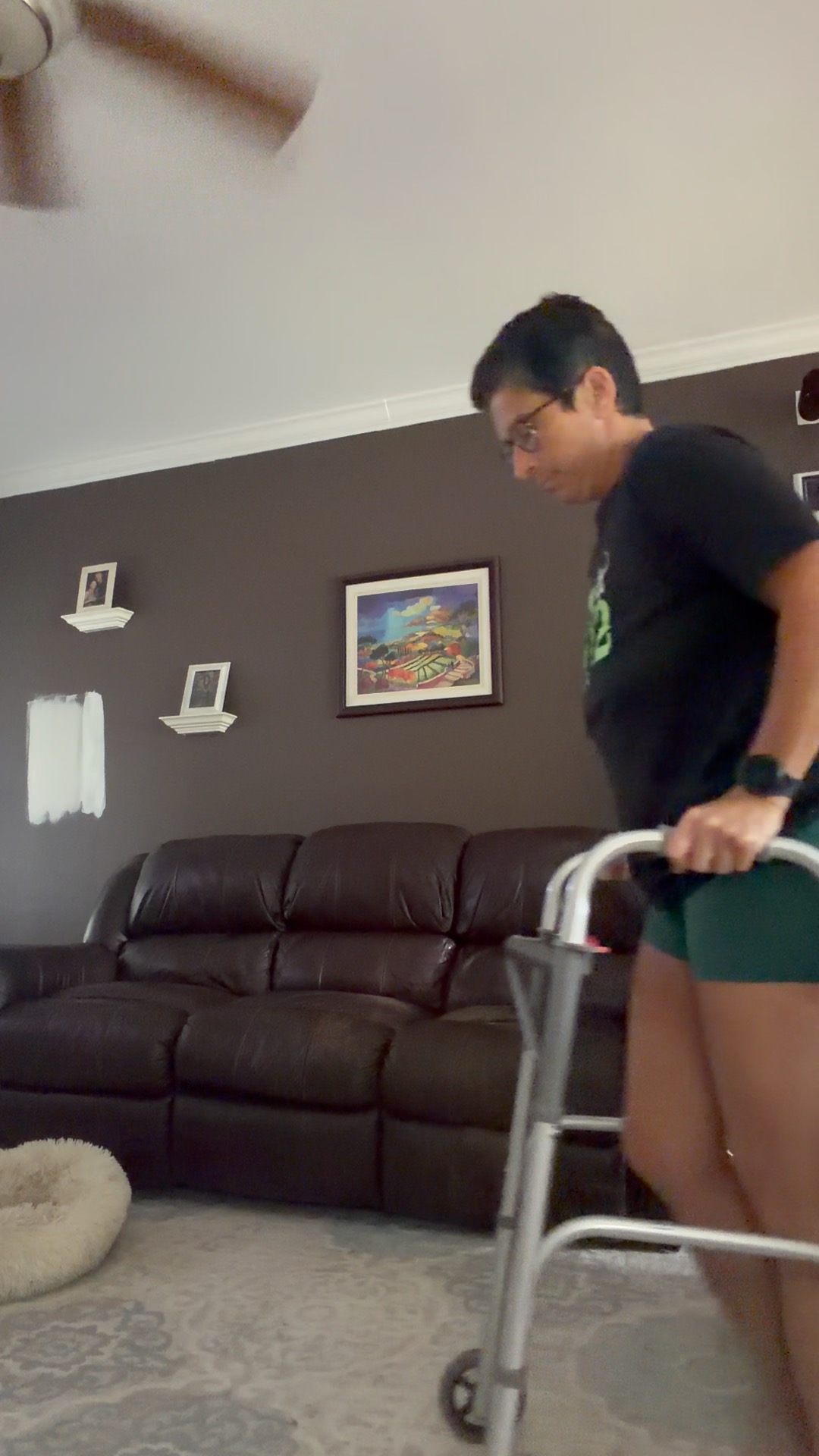
Last week, I shared what surgery day and those first 72 hours were like. This week was different.
The excitement (and uncertainty) of surgery was behind me, my husband was back at work, and life was beginning to return to normal—except my normal looked nothing like it had just a week before.
It was time to figure out how to recover on my own.
Learning to Be Independent Again
Monday marked the beginning of my first full week at home.
For the first time since surgery, I was spending most of the day by myself. Simple things that I'd never given a second thought suddenly required planning.
Getting to the bathroom.
Making something to eat.
Refilling my water.
Moving from room to room.
None of those things were impossible, but every movement required a little more thought and a little more patience than I was used to.
At night, I still needed help. I was still sleeping in my recliner because getting into bed—and especially turning over—was uncomfortable and honestly a little intimidating. Twisting was the movement I feared the most.
Thankfully, my ice machine was still working overtime and became part of my daily routine.
Back to Physical Therapy
Physical therapy continued twice that week, on Monday and Wednesday.
Since I wasn't driving yet, my husband left work to take me to both appointments. Looking back, those little acts of support meant more than I probably realized at the time.
The sessions were still very simple.
Heel raises.
Ball squeezes.
Gentle range-of-motion work.
Walking.
There were no squats below parallel, no bending to pick things up, and definitely no CrossFit movements. Everything had a purpose, though. My therapist reminded me that the best thing I could do for my new hip was simply keep walking.
Sometimes the most effective rehab isn't flashy—it's consistent.
A Small Victory
Toward the end of the week, I decided to try something new.
I traded my walker for a cane.
It may not sound like a big deal, but to me it felt huge.
Using the walker kept me safe, but it also occupied both hands. With the cane, I finally had one hand free to carry a drink or a plate of food without asking someone else to help.
Before surgery, I had tried practicing with the cane, and it felt completely awkward. I couldn't figure out the timing or how to move with it naturally.
Funny how quickly that changed.
Once I actually needed it, it just made sense.
That transition gave me more than physical freedom—it gave me confidence. It was one of those milestones that reminded me I was moving forward, even if progress felt slow.
Missing the Gym
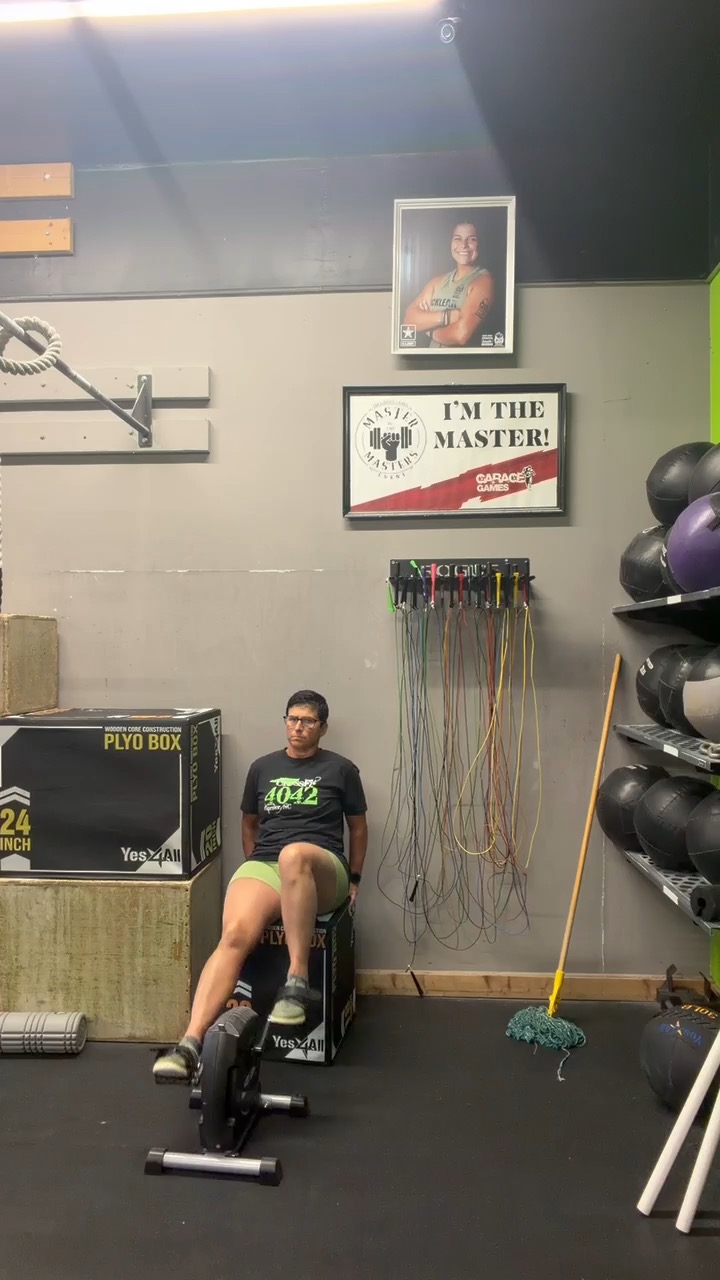
One thing I still wasn't ready for was going back to the gym.
Not to coach.
Not to work out.
Just to visit.
I thought I'd feel ready by then, but walking any real distance was still uncomfortable, and I knew my energy needed to stay focused on healing.
Fortunately, I never felt disconnected.
My husband and my daughter kept me updated on everything happening at the gym, and my coaching staff handled everything beautifully. Members checked in, brought meals, stopped by to visit, and reminded me how fortunate I am to be part of such an incredible community.
For someone who's used to being there every day, that support meant more than words can express.
Looking Back
Week one at home wasn't filled with huge milestones.
It was filled with small ones.
Walking a little farther.
Feeling more comfortable moving around the house.
Graduating from the walker to the cane.
Growing a little more confident every day.
Looking back, I realize I expected recovery to happen faster than it did. By the end of that week, I honestly believed I'd be back coaching the following week.
I was wrong.
And that realization became one of the biggest mental hurdles of my recovery.
What I Wish I'd Known
- Recovery isn't measured only by pain—it's measured by independence.
- Celebrate the small wins. They add up.
- Accept help when it's offered.
- Walking really is one of the best forms of therapy.
Thanks for reading!
I'll be sharing another chapter of my recovery each week—from those first uncertain steps to eventually returning to CrossFit.
If you're recovering from surgery, dealing with an injury, or simply looking for support on your own health journey, I'd love to connect.
🏋️ Learn more about CrossFit 4042: www.crossfit4042.com
💚 Follow along for weekly recovery updates: Facebook & Instagram @CrossFit4042
📩 Have questions or want to share your own recovery story? Send me a message—I'd love to hear from you.
Next Week: I thought I'd be ready to return to coaching, but week three became less about my hip and more about my mindset. Learning patience turned out to be just as challenging as learning to walk again.
About the Author
Amy Locklear is the owner of CrossFit 4042 and a CrossFit and nutrition coach passionate about helping people build strength, improve their health, and live active lives. After undergoing a total hip replacement at age 51, she's documenting her recovery to encourage others facing surgery, injury, or setbacks to keep moving forward—one step at a time.

.png)


